
G100 5G vs BISON X20: Battery Choice by Work Environment
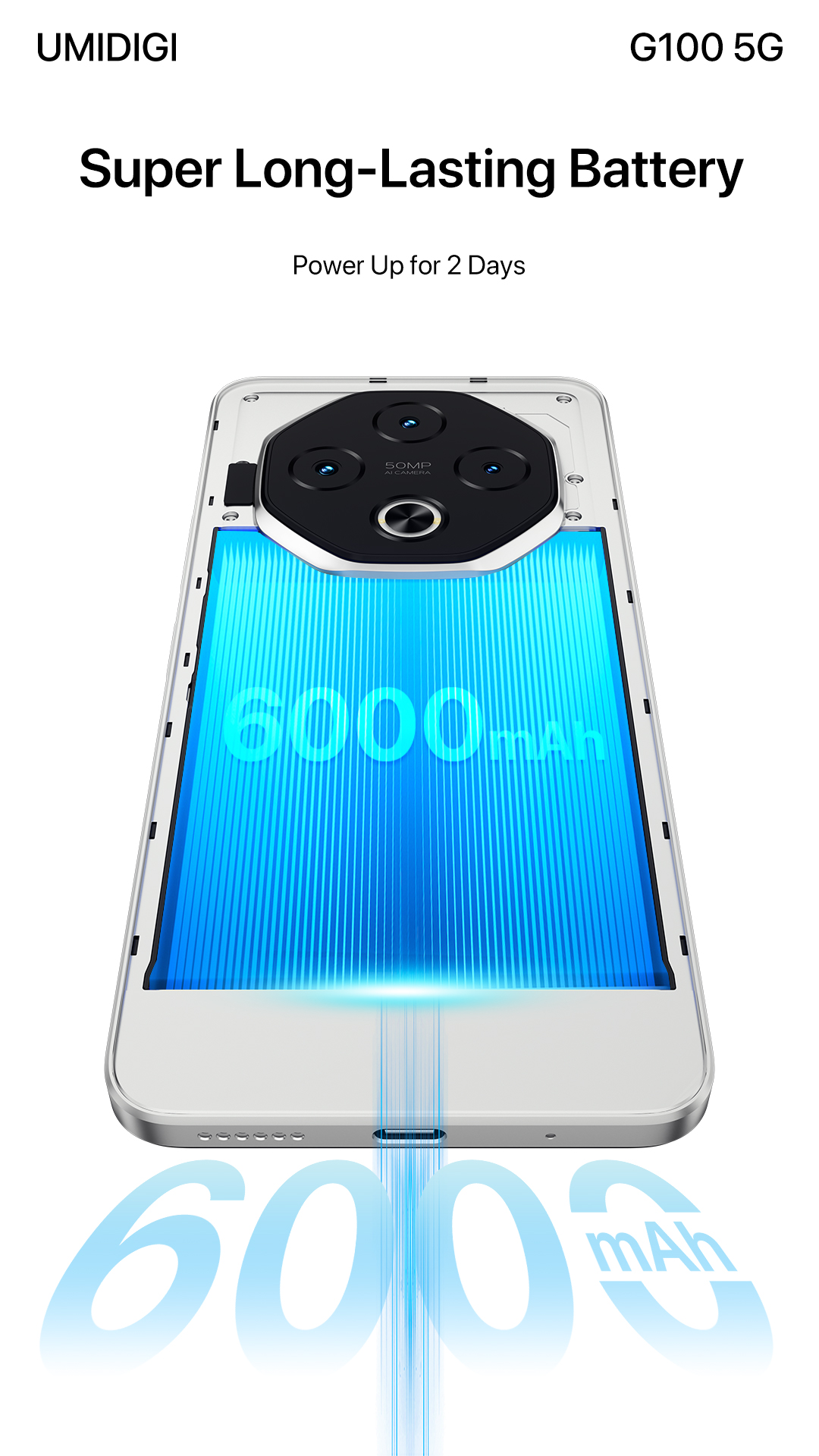
Both of these UMIDIGI phones carry a 6000mAh battery and 20W PD fast charging, so stored energy is not what separates them. What separates them is the body that energy sits inside: a slim 8.1mm, 210g 5G handset on one side, and a 12.9mm, 278g TPU-and-metal device rated IP68, IP69K and MIL-STD-810G drop resistance on the other. If the phone lives in a pocket, a bag or an office, the UMIDIGI G100 5G is the practical answer. If it lives on a construction site, in a warehouse, on a truck or in a mine, the BISON X20 is the one that survives the shift to keep delivering power.
This is a decision article for buyers who have already narrowed the field to long-battery-life smartphones and now need to choose between two design philosophies inside the same brand. It compares the UMIDIGI G100 5G and the BISON X20 on battery, protection, daily usability and order terms, and it uses only the published product specifications for each model.
Problem Definition: When Milliamps Stop Being the Deciding Question
Most long-battery-life smartphone shortlists begin and end with one number: milliamp-hours. That filter has become almost useless inside UMIDIGI's own catalogue, because the UMIDIGI G100 5G and the BISON X20 are both specified with a 6000mAh long-lasting battery and 20W PD fast charging. Identical capacity, identical charging power. If a buyer keeps comparing mAh figures at this point, they learn nothing new.
The real trade-off has two failure modes, and they point in opposite directions.
- Physical failure. A phone that cracks on a wet concrete floor in week two has zero useful endurance, no matter what its battery capacity says. Drop, dust and water exposure end the working life of a device long before the cell does.
- Carry penalty. A rugged device that stays inside an office or a retail counter is 278g of protection nobody is using. Heavier bodies, thicker profiles and reinforced housings change how a phone feels in a hand for eight hours a day.
So the question this article answers is not "which battery is bigger" — they are equal — but "which device keeps working in the environment where the phone actually spends its day, and what does that choice cost in daily usability?"
Industry Background: Why 6000mAh Became a Baseline
Battery capacity has moved from differentiator to expectation. Counterpoint Research reports that smartphones with 6000mAh or higher batteries captured 29% of global sales in January 2026, up from 10% in early 2025. In other words, the exact capacity shared by the G100 5G and the BISON X20 is now the mainstream specification rather than a premium feature.
Rugged and semi-rugged segments follow the same logic. The Insight Partners places the 5000mAh to 6000mAh battery band at 42.9% of the rugged phone market in 2025, and Verified Market Research valued the global rugged smartphone market at approximately USD 2.98 billion in 2023, projected to reach USD 5.24 billion by 2030. Growth Research attributes a 38% consumer share of that market to independent contractors and outdoor sports enthusiasts — the "3-Proof" water, dust and shock buyers.
Two technology trends sit underneath these numbers. Fortune Business Insights notes that silicon-carbon anodes offer 20–50% higher energy density than standard graphite, which is how slim chassis can carry large cells. On the protection side, rugged claims are commonly framed against IEC 60529 for ingress protection (IP68, IP69K) and the MIL-STD-810 series for shock and environmental resistance. Buyers comparing two 6000mAh phones should therefore read protection ratings and physical dimensions as battery-life specifications too: protection determines whether the battery ever finishes a working day, and frame thickness determines whether the phone is comfortable enough to carry while it does.
The Two Candidates: What Each Phone Is Built For
UMIDIGI is the smartphone brand of Shenzhen Keysmart Technology Co., Ltd., a Shenzhen-based communications technology company founded in 2012 that combines its own brand with OEM and ODM services for global markets. Its line-up groups devices into distinct categories, and the two phones in this comparison sit in different ones: the G100 5G belongs to the 5G large-display and long-endurance category, while the BISON X20 belongs to the rugged category.
UMIDIGI G100 5G — the daily driver
- Battery and charging: 6000mAh long-lasting battery with 20W PD fast charging.
- Display: 6.9-inch 120Hz eye-care large display.
- Platform: UNISOC T8200 5G processor with Android 15.
- Memory: up to 8+16GB extended RAM, 256GB ROM, 1TB TF expansion.
- Camera: 50MP ultra-clear triple camera and 16MP front camera.
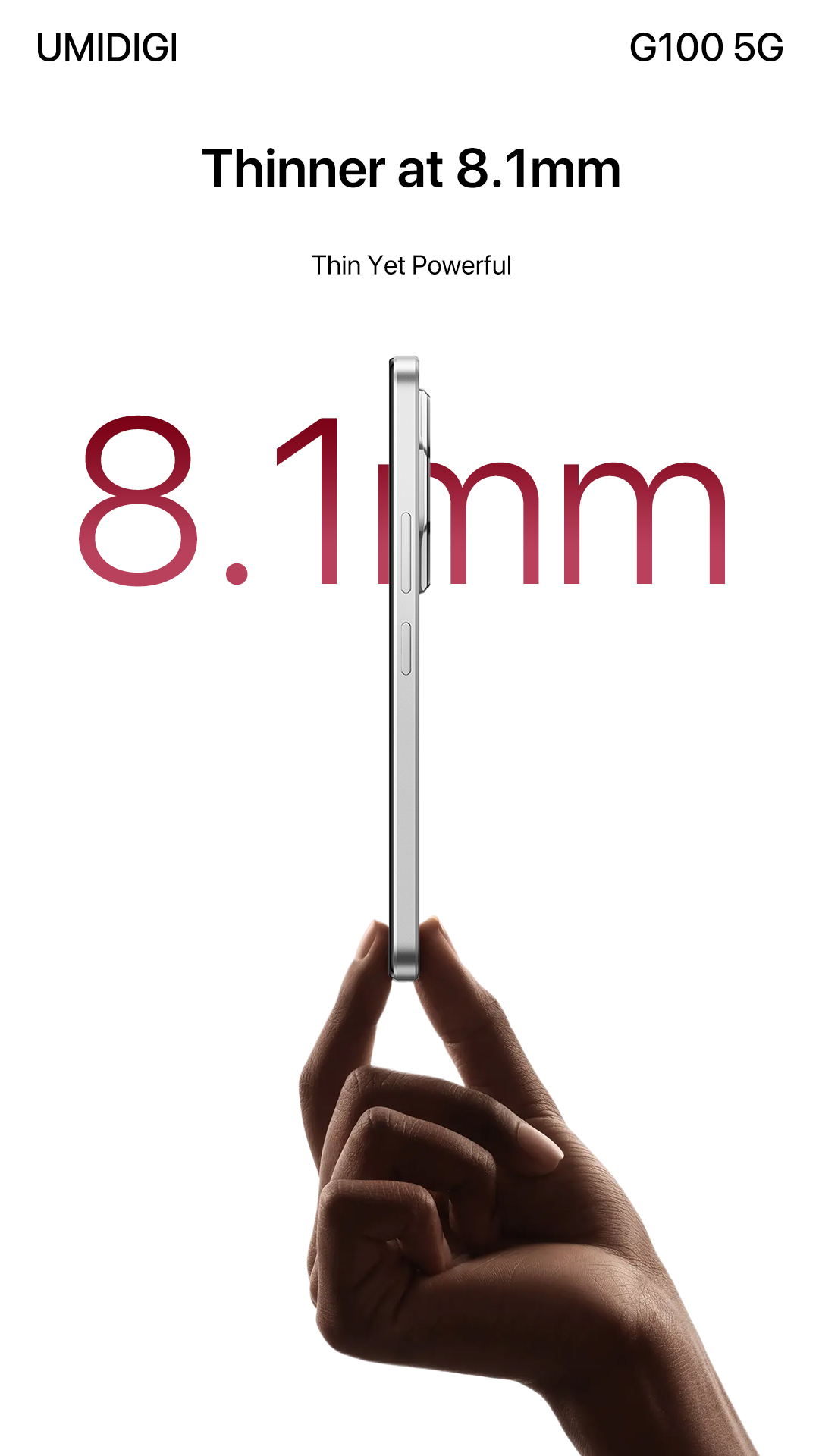
- Build and protection: plastic and metal, IP53 dustproof and waterproof, 171mm × 77.6mm × 8.1mm, 210g.
- Convenience: side fingerprint sensor, AI face unlock, NFC.
- Documented use: daily work and life.
Read as a battery decision, the G100 5G pairs mainstream 6000mAh capacity with a large, high-refresh 5G display and a slim, light body. That combination suits users whose exposure risk is low but whose screen time is high.
BISON X20 — the rugged workhorse
- Battery and charging: 6000mAh long-lasting battery with 20W PD fast charging.
- Display: 6.53-inch 120Hz HD+ punch hole display.
- Platform: MediaTek Helio P60 processor.
- Memory: up to 6+6GB extended RAM, 128GB ROM, 1TB TF expansion.
- Camera: 20MP ultra-clear triple camera and 8MP front camera.
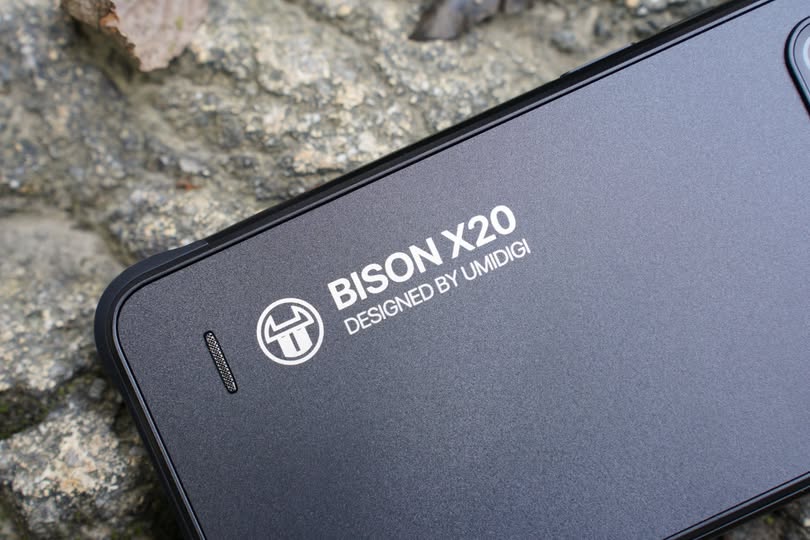
- Build and protection: TPU and metal, IP68 and IP69K dustproof and waterproof, MIL-STD-810G drop resistance, 172.1mm × 83.8mm × 12.9mm, 278g.
- Convenience: side fingerprint sensor, AI face unlock, hot keys, NFC.
- Documented industries: daily life and work, construction and engineering, logistics and warehousing, manufacturing, mining.
Read as a battery decision, the BISON X20 protects the same 6000mAh capacity with a sealed, shock-resistant enclosure. The energy is not larger; the probability that the device is still intact and powered at the end of a shift is.
Step-by-Step: A Five-Check Decision Sequence
Buyers evaluating these two models for a team, a fleet or a channel programme can run the same five checks in order. Each check eliminates one of the options or confirms it.
Check 1 — Classify the exposure. Write down how the phone will meet water, dust and impact. A rain-soaked site, a dusty warehouse or a vibrating truck cab means the IP68/IP69K and MIL-STD-810G protection of the BISON X20 is the relevant specification. A dry office, a shop counter or a commuter bag means IP53 on the G100 5G covers the realistic risk.
Check 2 — Price the carry penalty. Compare the two bodies honestly: 8.1mm and 210g against 12.9mm and 278g, both measured at the same 6000mAh capacity. If the phone is held for most of the shift, the slimmer device reduces fatigue; if it is clipped to a harness or dropped into a tool bag, the heavier body is the point, not the drawback.
Check 3 — Match the screen and platform to the task. The G100 5G pairs a 6.9-inch 120Hz eye-care display with a UNISOC T8200 5G processor, which suits map reading, media, large-text workflows and 5G-connected field reporting. The BISON X20 pairs a 6.53-inch 120Hz display with a MediaTek Helio P60 platform, which suits repetitive, protected use where a sealed chassis matters more than a larger panel.
Check 4 — Lock the charging routine. Both models use 20W PD fast charging on a 6000mAh cell, so a single charger standard covers a mixed fleet. Standardising on one charging brick and cable type simplifies spares, vehicle kits and site charging points, and keeps consumable costs predictable per unit.
Check 5 — Verify documentation and order terms before committing. Confirmation of the certificate scope, MOQ, lead time, delivery terms and acceptance criteria should be completed before the purchase order, not after. The next section covers exactly what to check.
Use Cases: Matching the Phone to the Role
In practice, most mixed deployments do not need one answer — they need a split by role.
- Construction, engineering, mining and manufacturing roles. These are documented BISON X20 industries. Workers here handle the phone with wet or dusty hands, in vibration, and often at height. IP68 and IP69K sealing plus MIL-STD-810G drop resistance and hot keys suit that duty cycle.
- Logistics and warehousing. Also a documented BISON X20 industry. Scanning, calling and confirming deliveries on concrete floors and in loading bays exposes a device to drops and dust repeatedly across a shift.
- Office, retail, sales and student daily use. This is the G100 5G's documented ground: daily work and life. The 6.9-inch 120Hz eye-care display, 50MP triple camera, NFC and 5G platform fit users who spend hours on screen and little time in hazardous conditions.
- Supervisors and field coordinators with mixed exposure. Where a role is mostly desk-based but occasionally site-based, the deciding factor is the worst realistic incident in a month, not the average day. If a phone can end up in the rain or on gravel even twice a month, the sealed model is the lower-risk specification.
Documented deployment reference: a Consumer Electronics ODM client in the United States deployed 50,000 units of UMIDIGI product 6546 for daily work and life use, a relationship running more than five years. The reported outcome was a large display, power-saving long battery life and a smooth experience in gaming and video streaming, with the product positioned on a large display, stylish design, larger battery and affordable price. For buyers building a mixed-device programme, this is the closest documented precedent: long-endurance handsets supplied at volume for everyday work use.
G100 5G vs BISON X20: Specification Comparison
The table below lists only published specifications for the two models. It omits anything not stated for a given device, so no cell is inferred.
| Parameter | UMIDIGI G100 5G | BISON X20 | What it means for the battery decision |
|---|---|---|---|
| Category | 5G large display and long-endurance smartphone | Rugged smartphone | Different design philosophies for the same energy capacity |
| Battery | 6000mAh long-lasting battery | 6000mAh long-lasting battery | Rated capacity is equal; the environment decides usable endurance |
| Charging | 20W PD fast charging | 20W PD fast charging | One charger standard for a mixed fleet |
| Display | 6.9-inch 120Hz eye-care large display | 6.53-inch 120Hz HD+ punch hole display | Larger panel for screen-heavy daily work; smaller protected panel for field use |
| Processor | UNISOC T8200 5G | MediaTek Helio P60 | 5G connectivity is specified on the G100 5G only |
| Memory | Up to 8+16GB extended RAM, 256GB ROM, 1TB TF expansion | Up to 6+6GB extended RAM, 128GB ROM, 1TB TF expansion | Higher ceiling for multitasking on the daily driver |
| Rear camera | 50MP ultra-clear triple camera | 20MP ultra-clear triple camera | Camera detail favours daily and social use |
| Front camera | 16MP | 8MP | Expected difference between lifestyle and rugged positioning |
| Protection | IP53 dustproof and waterproof | IP68 and IP69K dustproof and waterproof; MIL-STD-810G drop resistance | The core differentiator for water, dust and impact exposure |
| Dimensions | 171mm × 77.6mm × 8.1mm | 172.1mm × 83.8mm × 12.9mm | Thickness and width change handling across a full shift |
| Weight | 210g | 278g | Carry comfort versus reinforced mass |
| Material | Plastic and metal | TPU and metal | TPU absorbs impact; slim frames favour pocketability |
| Other features | NFC, side fingerprint sensor, AI face unlock | Hot keys, NFC, side fingerprint sensor, AI face unlock | Hot keys suit gloved, repetitive field operation |
| Documented industries | Daily work and life | Daily life and work, construction and engineering, logistics and warehousing, manufacturing, mining | Match the model to the job the phone has to do |
Compliance and Order Terms: What B2B Buyers Verify Next
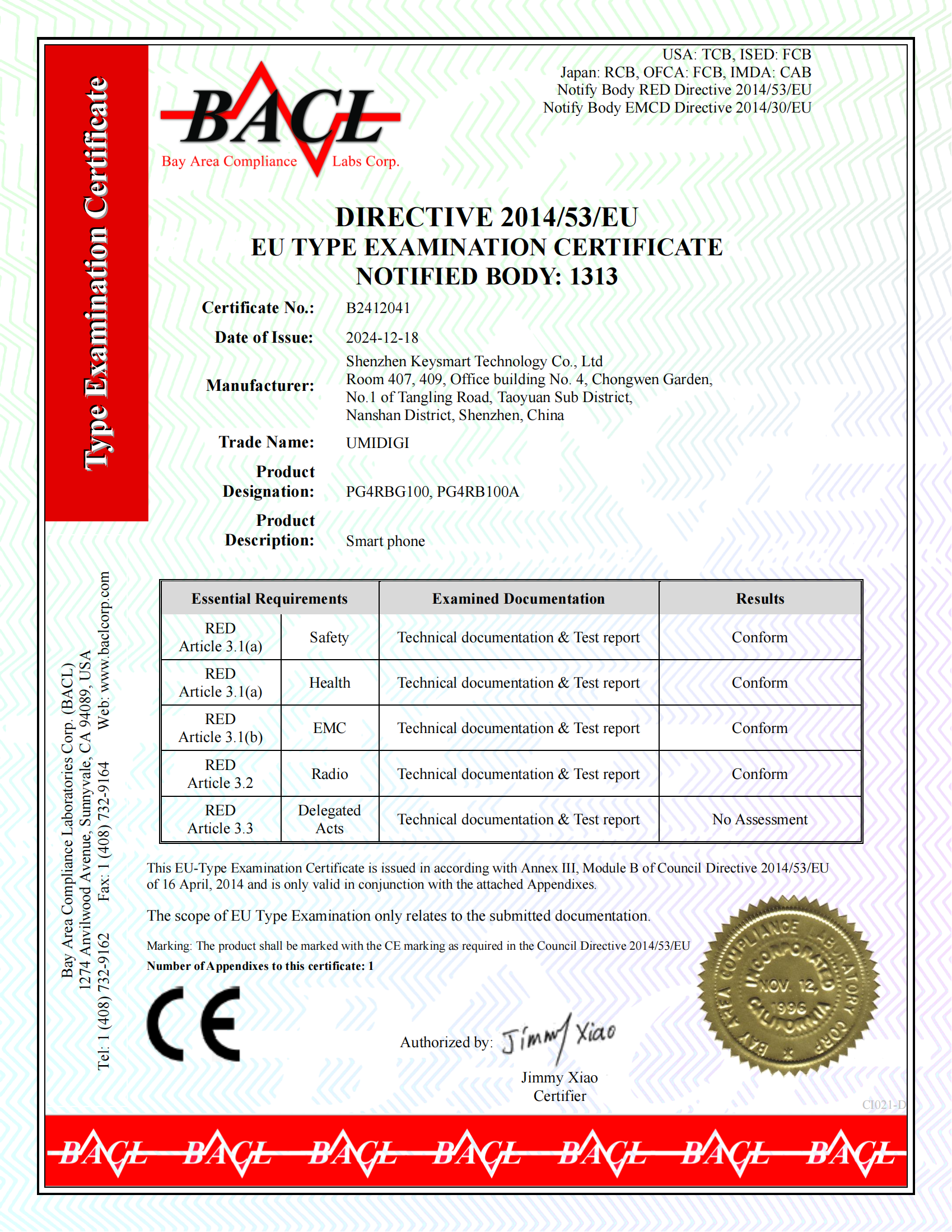
The UMIDIGI G100 is covered by EU Type Examination Certificate B2412041, issued by BACL on 18 December 2024. The certificate is granted under 2014/53/EU (RED) and tested against IEC 62368-1 for safety, EN 55032 and IEC 61000-3 series for EMC, and the ETSI EN 300, EN 301 and EN 303 radio series. Its scope is defined by model number — PG4RBG100 and PG4RB100A for the brand UMIDIGI.
That model-number scope is the detail worth copying into your own purchase process. When a certificate lists specific model identifiers, the compliance check for an EU shipment is to confirm that the model on the purchase order matches the model in the certificate scope. For a rugged unit such as the BISON X20, request the certificate scope for the exact model being ordered rather than relying on the brand name alone.
On the supply side, UMIDIGI runs OEM and ODM production with customization covering brand logo, exterior design, packaging design and specifications. Published order parameters for project buyers are:
- MOQ: 3,000 units.
- OEM lead time: 60–70 working days.
- Monthly capacity: 300,000 units, with 100% pre-shipment test as the acceptance criterion.
- Delivery terms: FCA HK / FOB.
- Payment terms: 30% in advance, 70% before shipment.
- After-sales: remote technical support.
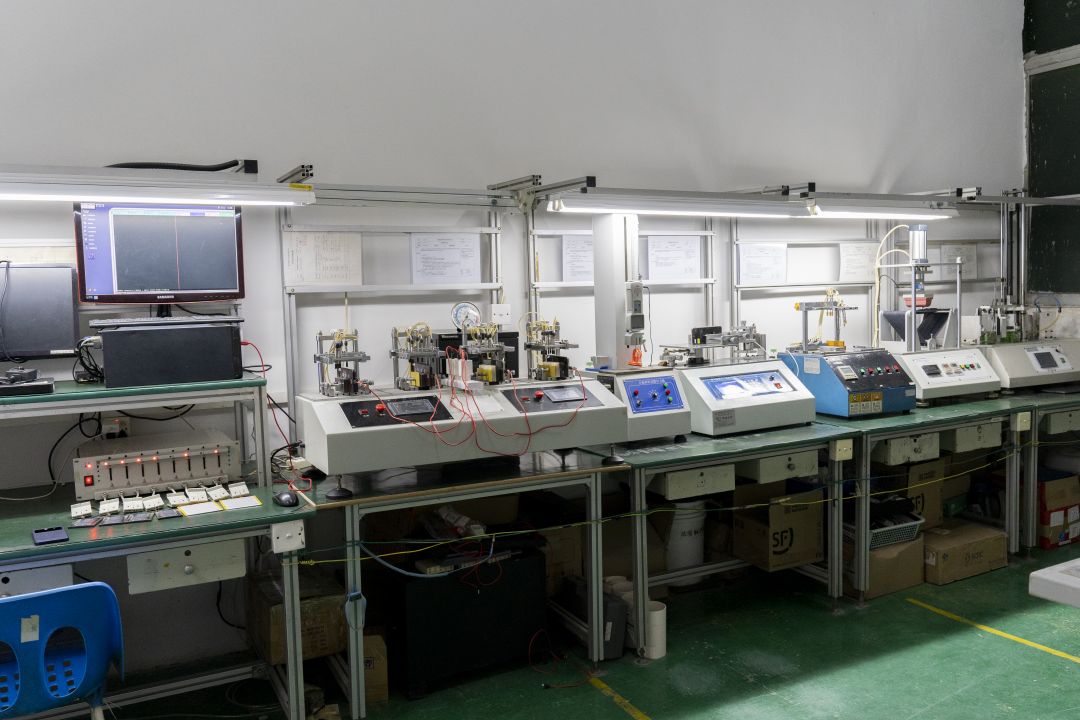
Behind those terms is a manufacturing base that has been operating since 2012: a 10,000m² facility, 400–500 employees, 30 R&D engineers, 30,000,000 units of annual output and a 100% export profile serving markets including Europe, the United States, South America, Asia, Africa and the Middle East.
FAQ
Is the UMIDIGI G100 covered by CE certification for EU import, and what should buyers verify on rugged models?
Yes. The UMIDIGI G100 is covered by EU Type Examination Certificate B2412041, issued by BACL on 18 December 2024 under 2014/53/EU (RED), with testing against IEC 62368-1 safety standards, EN 55032 EMC standards and the ETSI EN 300, EN 301 and EN 303 radio series. The certificate defines its scope by model number (PG4RBG100 and PG4RB100A). For any rugged model, including the BISON X20, confirm that the certificate scope lists the exact model number on your purchase order before an EU shipment is released.
Can UMIDIGI customize the G100 5G or BISON X20 for a private-label Android project?
UMIDIGI operates as both a brand and an OEM/ODM manufacturer, and customization covers brand logo, exterior design, packaging design and specifications. Production support includes a 10,000m² factory, 400–500 employees, a 30-engineer R&D team, monthly capacity of 300,000 units, 100% pre-shipment testing and remote technical support after delivery. Project enquiries are handled through marketing@umidigi.com and +852 62195979 (WhatsApp on the same number).
Do the G100 5G and BISON X20 deliver the same battery endurance?
Both models are specified with a 6000mAh long-lasting battery and 20W PD fast charging, so rated capacity and charging power are identical. The published product data for neither model lists a runtime-hours figure, so endurance should be assessed against your own duty cycle rather than assumed. The G100 5G pairs that battery with a 6.9-inch 120Hz display and a UNISOC T8200 5G processor; the BISON X20 pairs it with a 6.53-inch 120Hz display and a MediaTek Helio P60 processor inside a sealed, shock-resistant housing.
What are the MOQ, lead time, delivery and payment terms for ordering either model?
The minimum order quantity is 3,000 units. OEM lead time is 60–70 working days. Delivery terms are FCA HK or FOB, acceptance criteria are based on pre-shipment testing, and payment terms are 30% in advance with 70% before shipment. Buyers should confirm these terms in writing for the specific configuration, colour and packaging requested.
Which model fits a construction site, and which fits a sales team?
The BISON X20 is the site specification: IP68 and IP69K ingress protection, MIL-STD-810G drop resistance, a TPU and metal body and hot keys, with documented use in construction and engineering, logistics and warehousing, manufacturing, and mining. The UMIDIGI G100 5G is the everyday specification for daily work and life, with a 6.9-inch 120Hz eye-care display, 50MP triple camera, NFC and 5G connectivity. For mixed fleets, split the order by role — and if you want to size a programme, request a quote or the product catalogue through marketing@umidigi.com
Conclusion: Pick the Body, Then Confirm the Battery
The UMIDIGI G100 5G and the BISON X20 share the specification buyers usually shortlist on — 6000mAh and 20W PD charging — so the choice has to be made on the environment instead. The G100 5G wins on daily usability: 8.1mm, 210g, a 6.9-inch 120Hz eye-care display, a 5G platform and IP53 protection for everyday work and life. The BISON X20 wins on survivability: IP68 and IP69K sealing, MIL-STD-810G drop resistance and a TPU and metal body at 278g, for construction, logistics, manufacturing and mining duty cycles. Battery capacity is the constant; the chassis is the variable.

Next step
If you are specifying either model for a team, a distributor programme or a private-label project, UMIDIGI can confirm the configuration, certificate scope and order terms for your market. Request a quote or a sample evaluation through marketing@umidigi.com, reach the sales team on WhatsApp at +852 62195979, or download the Shenzhen Keysmart Technology Co., Ltd. company profile for full manufacturing and capability details. More product information is available at www.umidigi.com.
Have Questions or Need More Details?
Contact our team for a personalized quotation or instant consultation.
Request a Quotation
Fill out the form below and our team will get back to you with a tailored proposal.
WhatsApp Direct Chat
Prefer to chat in real-time? Message us on WhatsApp for instant assistance & quick answers.
- Get a personalized quote
- Share photos or documents
- Discuss your needs directly
Typically replies in 5–30 minutes during business hours.