
Supplier Audit Checklist: Verifying a Long-Battery Smartphone ODM's True Capacity
Finding a long-battery smartphone ODM is easy. Verifying that a factory can actually deliver the battery capacity, protection rating and monthly volume it advertises is what decides whether a private-label program succeeds. This checklist is written for procurement managers and brand owners at the research stage of sourcing, and it does one job: turn a supplier conversation into a set of verifiable claims. It covers six audit areas — legal entity and factory history, contact verification, production and R&D capacity, battery and charging evidence, protection and certification claims, and warranty and delivery assurance — and uses UMIDIGI's documented specifications as a benchmark for what a verifiable long-battery portfolio looks like.
What “True Capacity” Means in a Supplier Audit
In a supplier audit, “true capacity” is three capabilities bundled into one sales conversation: battery capacity (the mAh figure printed on the spec sheet), production capacity (the number of units a factory can actually ship per month for your configuration), and compliance capacity (the test reports and standards behind every protection and safety claim). An audit that verifies only one of the three leaves the other two unmanaged.
A workable rule is to treat every supplier statement as a claim with three parts: the number, the condition under which the number is valid, and the document that proves it. A 6000mAh battery without stated discharge conditions, an IP rating without the standard it was tested against, and an annual output figure without a committed monthly slot are all incomplete claims. Record them as unverified rather than accepted, and the audit stops being a negotiation and becomes a checklist.
Why Long-Battery Sourcing Is Getting Harder to Verify
Demand for high-capacity phones has shifted from a niche preference to a mainstream purchase criterion, and that shift has pulled more suppliers into the category — including suppliers whose documentation has not grown as quickly as their marketing.
- The global rugged smartphone market was valued at approximately USD 2.98 billion in 2023 and is projected to reach USD 5.24 billion by 2030 (Verified Market Research).
- Smartphones with battery capacities of 6000mAh or higher captured 29% of global sales in January 2026, a significant increase from 10% in early 2025 (Counterpoint Research).
- The 5000mAh to 6000mAh battery segment accounted for 42.9% of rugged phone market share in 2025 (The Insight Partners).
- Silicon-carbon batteries are increasingly replacing standard graphite anodes, offering 20–50% higher energy density for slim, long-lasting devices (Fortune Business Insights).
- Independent contractors and outdoor sports enthusiasts are the primary consumer drivers for water-, dust- and shock-resistant phones, representing 38% of the global rugged market (Growth Research).
Third-party estimates in this category should be read carefully. Published rugged phone market sizes diverge by more than an order of magnitude depending on whether semi-rugged consumer devices are counted alongside ultra-rugged industrial models — Technavio and Dataintelo publish figures that cannot both describe the same market. If analysts cannot agree on a market number, a supplier's single unqualified number deserves the same skepticism. That is the mindset the checklist below formalizes.
The Six-Point Supplier Audit Checklist
1. Legal Entity and Factory History
Start by identifying who is legally responsible for manufacturing, not who is answering the email. Ask for the registered company name, the year of establishment, the factory address, and whether production is in-house or subcontracted.
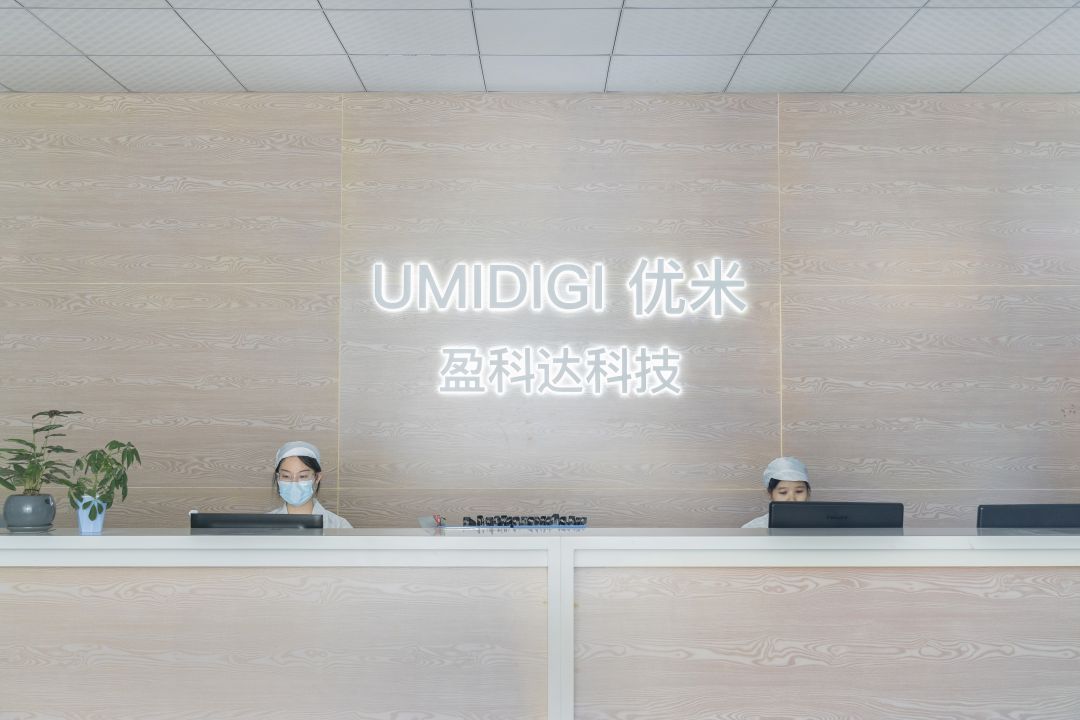
UMIDIGI is the own brand of Shenzhen Keysmart Technology Co., Ltd., a Shenzhen-based company established in 2012 — 14 years in the smartphone industry — specializing in the research, development, production and marketing of smart technology products, and operating two businesses: its own brand and ODM/OEM services. A trading intermediary cannot produce that history, and a real manufacturer can document it on a single page.
Request: the business registration or licence, the factory address against the registered address, the year of establishment, whether assembly is in-house, and a list of production lines.
2. Contact and Communication Verification
Contact details are the cheapest claim to verify and the most revealing when they fail. A supplier should provide a named contact, an email address on the company's own domain, and a direct telephone or messaging number.
UMIDIGI documents a named sales contact (Jonny, Sales Manager), a company-domain email address at marketing@umidigi.com, and a direct telephone and WhatsApp number at +852 62195979, with the company located in Nanshan District, Shenzhen City, P.R.C. All four can be verified in a single exchange. A supplier using a free mailbox, an unnamed contact or a number registered in a third country is not automatically disqualified, but the gap should be explained before samples are ordered.
Use the pre-sales conversation as a behavioural test. Response time, willingness to answer technical questions with documents rather than adjectives, and consistency between two different contacts are reasonable predictors of how after-sales will feel once the deposit is paid.
3. Production Capacity and R&D Depth
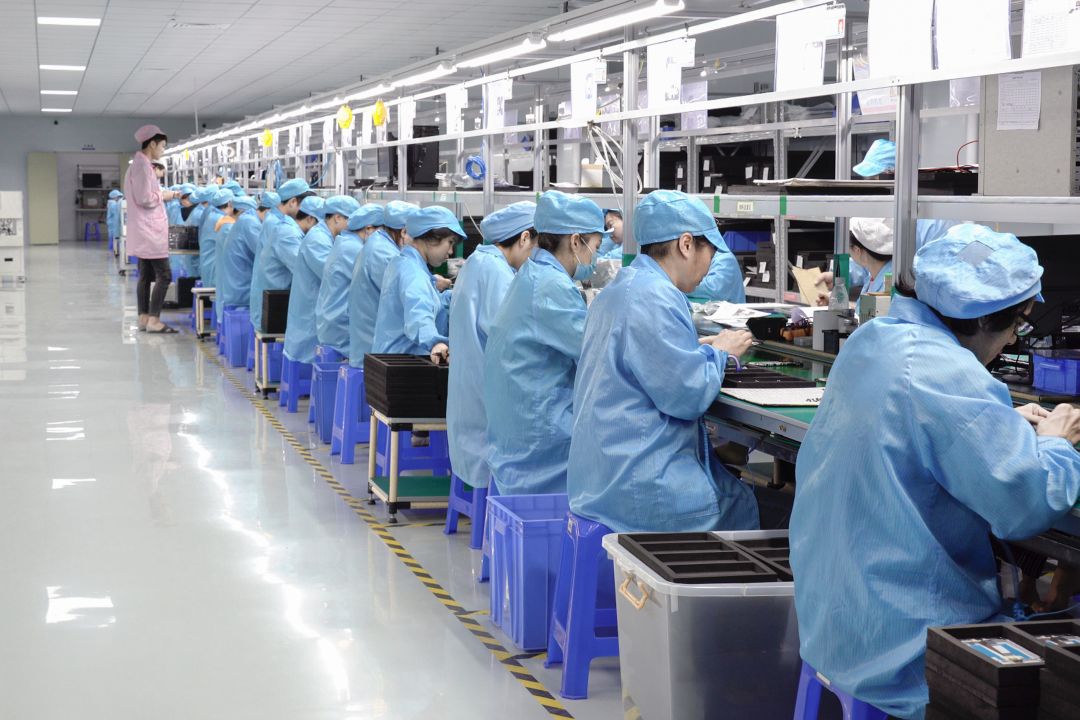
Annual capacity figures are only meaningful when they are broken down. Ask for the monthly volume available for your exact configuration, the number of lines that can run it, and the share of capacity already committed to existing customers.
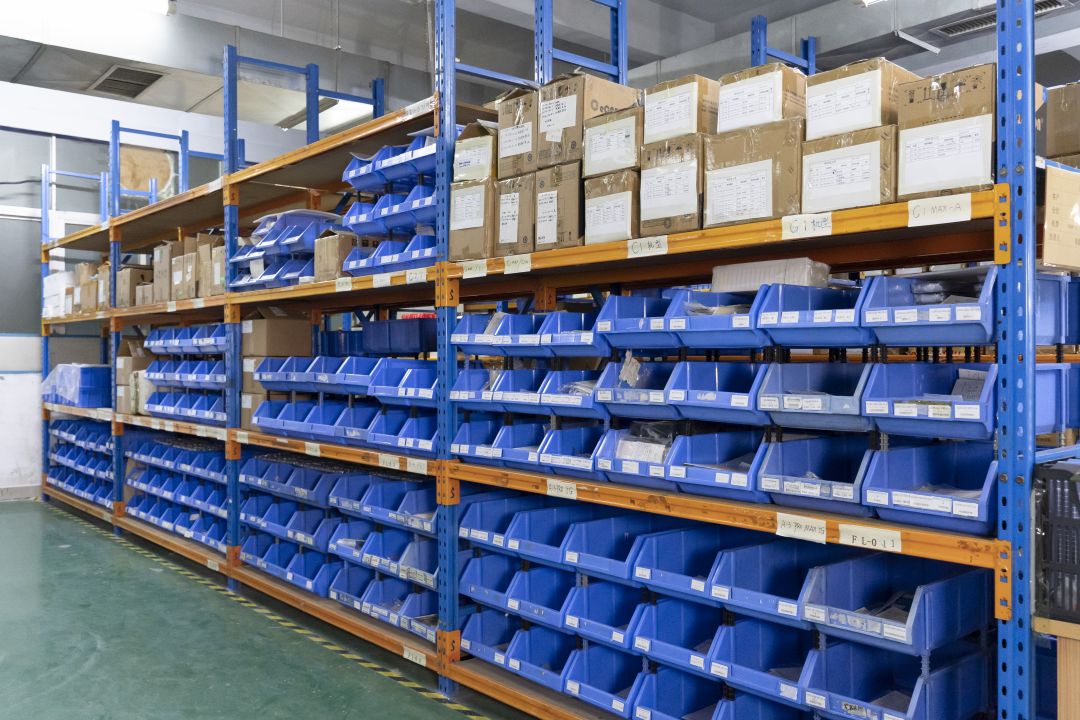
UMIDIGI's documented manufacturing profile: a 10,000-square-metre manufacturing facility, approximately 400 to 500 employees, an R&D team of 30 engineers, and an annual production capacity of 30,000,000 units. Export business accounts for 100% of total sales, serving markets in Middle-Western, South America, Asia, Africa, EU and USA.
R&D depth deserves separate scrutiny in a long-battery project, because battery endurance is a system result: cell choice, charging profile, display refresh strategy and software power management all contribute. Ask how many engineers work on power and software, who signs off on an endurance claim, and what test equipment is used internally.
4. Battery and Charging: Verifying the Core Claim
This is the claim the whole project depends on. Ask for the documented battery range across the supplier's portfolio rather than a single hero number: a portfolio range shows engineering consistency, while a single number usually reflects one launch SKU.
UMIDIGI documents a battery range of 5000mAh to 6000mAh across its long-battery lineup. 5000mAh appears on the UMIDIGI G9x and the UMIDIGI A75x; 5200mAh on the UMIDIGI G100x 5G; and 6000mAh on the UMIDIGI G100, the UMIDIGI G100 5G and the BISON X20. Charging is documented as 20W PD fast charging on the UMIDIGI G100, UMIDIGI G100 5G and BISON X20, and 20W fast charging on the UMIDIGI G100x 5G.
Before accepting a capacity figure, ask four questions: Is the figure typical or minimum? At what discharge rate was it measured? At what ambient temperature? And was it measured screen-on or in standby? A supplier that can answer all four is describing a test; a supplier that can answer none is describing a label.
Also ask whether the battery claim survives into production. Request the specification that will be written into your purchase agreement, and make clear that delivered units will be checked against it.
5. Protection and Certification Claims
Protection ratings are where marketing language most often outruns documentation. Every IP or drop-resistance claim should be traced to a published standard: IEC 60529 defines the ingress protection coding used for ratings such as IP68 and IP69K, and the MIL-STD-810 series covers shock and environmental resistance.
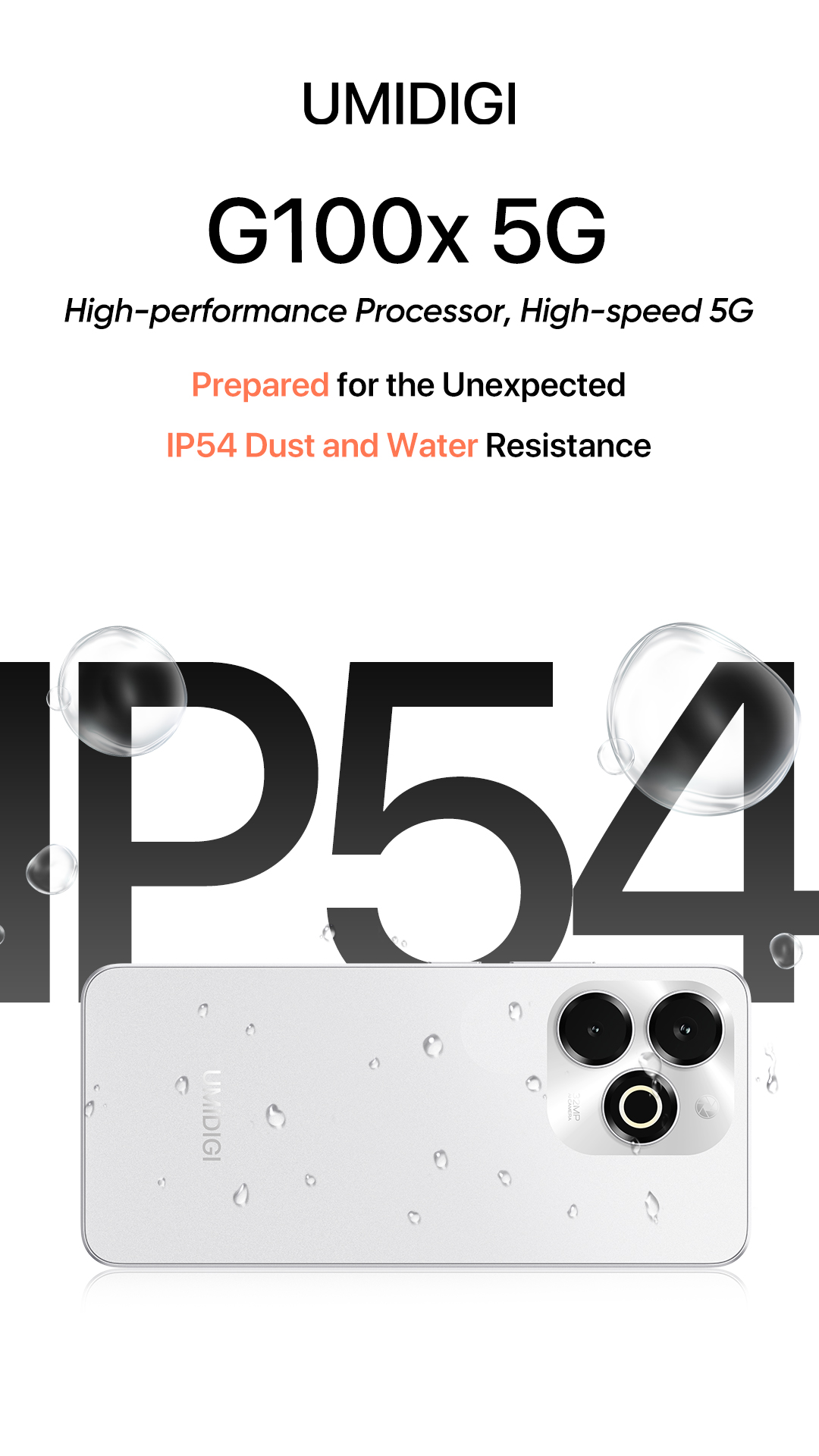
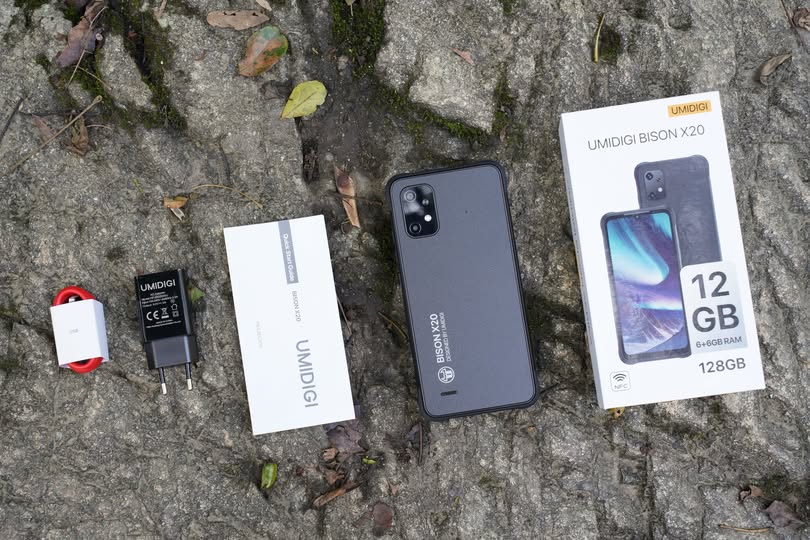
UMIDIGI's documented protection levels show how a portfolio should be read. The BISON X20 carries IP68 and IP69K dustproof and waterproof protection together with MIL-STD-810G drop resistance, built on a TPU and metal structure. The UMIDIGI G100 and UMIDIGI G100 5G document IP53 dustproof and waterproof protection, while the UMIDIGI G100x 5G and UMIDIGI A75x document IP54 dustproof and waterproof protection.
These are not interchangeable claims, and they should not be treated as a quality ranking. An IP53 daily-use device and an IP68/IP69K rugged device answer different questions. The audit question is whether the rating matches the working condition your channel sells into — sites in construction and engineering, logistics and warehousing, manufacturing, mining, and oil and gas expose a phone to water, dust, drops and temperature extremes in different proportions.
For each claim, request the test report, the exact standard revision, the test scope (whole device or component), and whether the rating holds after a drop. If a supplier cannot produce the revision, log the claim as unverified.
6. Warranty, After-Sales and Delivery Assurance
The last audit area is the one buyers most often leave until after the deposit. Request written warranty terms, the dead-on-arrival and returns process, the spare-parts window, and who performs repairs in your market. Ask how firmware and security updates will be handled for the model you are private-labelling.
On delivery, ask for committed production slots against your forecast, packaging and labelling readiness, and market references in regions comparable to yours. Because UMIDIGI exports 100% of its production to Middle-Western, South America, Asia, Africa, EU and USA, its shipping documentation covers a wide set of market requirements — and that is a claim that can be tested with reference questions rather than accepted from a brochure.
Evidence matrix: record the document before moving on.
- Battery capacity → documented mAh figure plus test conditions, and the specification that will be contractual.
- Charging → documented wattage and charging standard, for example 20W PD fast charging.
- Ingress protection → the rating plus an IEC 60529 test report and revision.
- Drop resistance → a MIL-STD-810 series report and revision, plus construction material (TPU and metal on the BISON X20).
- Production capacity → facility size, staff numbers, R&D headcount, and a monthly slot commitment for your configuration.
- Continuity → written warranty, spare-parts window and repair route.
Step-by-Step: Running the Audit from First Contact to Sample Approval
- Write down the claims you intend to verify before the first call: battery, charging, protection, capacity, warranty and lead time.
- Identify the legal manufacturer and confirm the entity name, establishment year and factory location.
- Verify contact channels: a named contact, a company-domain email address, and a direct phone or messaging number.
- Request the capacity and R&D profile in writing: facility size, staffing, R&D headcount and annual output.
- Request the documented battery range across the portfolio rather than a single model figure, together with charging specifications.
- Map every protection and certification claim to a standard, and request reports with revisions and test scope.
- Request warranty terms, the returns process, the spare-parts window and repair arrangements in writing.
- Order a sample and confirm it will be built on the same line and to the same specification as mass production.
- Test the sample against the written specification: capacity, charging behaviour, protection, dimensions, weight, unlock methods and other documented functions.
- Compare results with the original claim, document deviations, and only then negotiate volume, lead time and delivery milestones.
Documented Specifications as Audit Evidence
The fastest way to judge whether an ODM can be audited is to look at how it documents its own portfolio. The table below lists UMIDIGI's long-battery models exactly as their specifications are published, so a buyer can check the claim, the condition and the target use in one view.
| Model | Battery | Charging | Documented protection | Documented positioning |
|---|---|---|---|---|
| UMIDIGI G9x | 5000mAh | Not listed | Not listed | Stylish and slim smartphone for daily work and life |
| UMIDIGI A75x | 5000mAh | Not listed | IP54 dustproof and waterproof | Stylish, slim, large-display entry smartphone for daily work and life |
| UMIDIGI G100 | 6000mAh | 20W PD fast charging | IP53 dustproof and waterproof | Large and long-endurance smartphone for daily work and life |
| UMIDIGI G100x 5G | 5200mAh | 20W fast charging | IP54 dustproof and waterproof | 5G large-display and long-endurance smartphone |
| UMIDIGI G100 5G | 6000mAh | 20W PD fast charging | IP53 dustproof and waterproof | 5G large-display and long-endurance smartphone |
| BISON X20 | 6000mAh | 20W PD fast charging | IP68 & IP69K dustproof and waterproof; MIL-STD-810G drop resistance | Rugged smartphone for construction and engineering, logistics and warehousing, manufacturing, and mining |
The table's value is not that one model carries a larger battery than another. It is that the supplier publishes a consistent, testable range — 5000mAh to 6000mAh — with charging, protection level and target use documented per model. A buyer can select the row that matches their channel and then hold the supplier to that row. If an ODM cannot produce an equivalent table for its own portfolio, that absence is the audit finding.
Use Cases: Who Runs This Checklist, and What Changes
- Brand owner launching a private-label rugged line for outdoor retail. The audit centres on protection evidence. Match the row you intend to sell — IP68 and IP69K protection with MIL-STD-810G drop resistance on a TPU and metal body, as documented for the BISON X20 — and verify water and drop test reports before artwork is approved.
- Importer supplying construction, engineering, logistics, warehousing, manufacturing, mining and oil and gas customers. These applications run 24/7 under high and low temperature conditions, with special requirements for drop resistance, dustproof design and waterproof protection. The audit should establish whether the device is specified for those conditions, not whether it survives a short demonstration.
- Distributor adding a daily-use entry model. The 5000mAh class — the UMIDIGI A75x with IP54 protection, or the UMIDIGI G9x — usually competes on price, packaging and margin rather than ruggedness. Audit cost structure, packaging readiness and channel support instead of extreme durability.
- 5G-focused buyer. The UMIDIGI G100x 5G documents 5G network connectivity with a 5200mAh battery, and the UMIDIGI G100 5G documents the same 5G platform with a 6000mAh battery. Verify band support and market certification for the country you ship to before volume discussions begin.
- Buyer balancing slim build against capacity. The UMIDIGI G100 documents 6000mAh at 8.1mm thickness and 205g; the UMIDIGI A75x documents 5000mAh at 7.7mm and 190g. Ask which cell and structural choices produce the thinner build, and confirm the capacity claim in the agreed specification.
Frequently Asked Questions
What certification documents should I request from a long-battery smartphone ODM?
Request documents that tie every claim to a published standard: test reports referencing IEC 60529 for ingress protection ratings such as IP68 and IP69K, and MIL-STD-810 series reports for shock and environmental resistance, each with the exact revision and the test scope. Then request the supplier's own documented ratings so the two can be compared. UMIDIGI, for example, documents IP68 and IP69K protection plus MIL-STD-810G drop resistance on the BISON X20, IP53 on the UMIDIGI G100 and UMIDIGI G100 5G, and IP54 on the UMIDIGI G100x 5G and UMIDIGI A75x. A rating without a revision number should be recorded as unverified.
How do I confirm an ODM's real battery capacity rather than a marketing number?
Ask for the documented battery range across the supplier's portfolio and for the conditions behind each figure. UMIDIGI documents 5000mAh to 6000mAh across its long-battery lineup: 5000mAh on the UMIDIGI G9x and UMIDIGI A75x, 5200mAh on the UMIDIGI G100x 5G, and 6000mAh on the UMIDIGI G100, UMIDIGI G100 5G and BISON X20, with 20W PD fast charging documented on three of those models. A range with conditions attached is verifiable; a single unqualified number is not. Confirm the exact figure that will appear in your purchase specification.
Does a larger battery always mean a higher unit cost?
Not automatically. Battery capacity is only one input into the bill of materials for a private-label long-battery phone; protection structure and materials, display, memory configuration and charging implementation all contribute. A rugged model built on a TPU and metal structure, such as the BISON X20 at 172.1 × 83.8 × 12.9mm and 278g, carries different structural cost from a daily-use model built on plastic and metal, such as the UMIDIGI A75x at 167.8 × 77.4 × 7.7mm and 190g. Compare quotations at equal specification rather than at equal mAh.
What should I check during sample validation?
Check the sample against the written specification, item by item: battery capacity and charging behaviour, protection level, dimensions and weight, display, memory configuration, cameras, unlock methods, and any functional feature such as NFC or hot keys. For reference, the BISON X20 specification documents a 6000mAh battery, a 6.53-inch 120Hz HD+ punch hole display, up to 6+6GB extended RAM and 128GB ROM, IP68 and IP69K protection, MIL-STD-810G drop resistance, and a 278g weight. Confirm that the sample was produced on the same line and to the same specification as mass production.
How do I confirm lead time and after-sales support before signing?
Ask for a committed monthly production slot against your forecast, packaging and labelling readiness, written warranty terms, the dead-on-arrival and returns process, and the spare-parts window. Then verify the supplier's market experience with references rather than assumptions — UMIDIGI, for instance, exports 100% of its production to Middle-Western, South America, Asia, Africa, EU and USA. For a sample request, a specification discussion or written confirmation of available capacity, contact the UMIDIGI sales team at marketing@umidigi.com or +852 62195979, also reachable on WhatsApp.
Conclusion
Verifying a long-battery smartphone ODM's true capacity is a documentation exercise rather than a trust exercise. Confirm the legal manufacturer and its history, verify contact channels, quantify production and R&D resources, demand the conditions behind every battery figure, map every protection claim to a published standard with a revision number, and settle warranty and delivery terms before the deposit. UMIDIGI — the own brand and ODM/OEM business of Shenzhen Keysmart Technology Co., Ltd., established in 2012 — publishes a documented battery range of 5000mAh to 6000mAh with protection levels from IP53 to IP68 and IP69K across its portfolio, which gives buyers a concrete benchmark to audit against.
Next Step: Request the Evidence, Not the Promise
Run this checklist against your shortlist, then ask for the documents behind each claim — battery and charging specifications, protection test revisions, production slot commitments and warranty terms.
Email: marketing@umidigi.com | Tel / WhatsApp: +852 62195979 | Website: www.umidigi.com
Download the Shenzhen Keysmart Technology Co., Ltd. Company Profile (PDF)
Have Questions or Need More Details?
Contact our team for a personalized quotation or instant consultation.
Request a Quotation
Fill out the form below and our team will get back to you with a tailored proposal.
WhatsApp Direct Chat
Prefer to chat in real-time? Message us on WhatsApp for instant assistance & quick answers.
- Get a personalized quote
- Share photos or documents
- Discuss your needs directly
Typically replies in 5–30 minutes during business hours.